
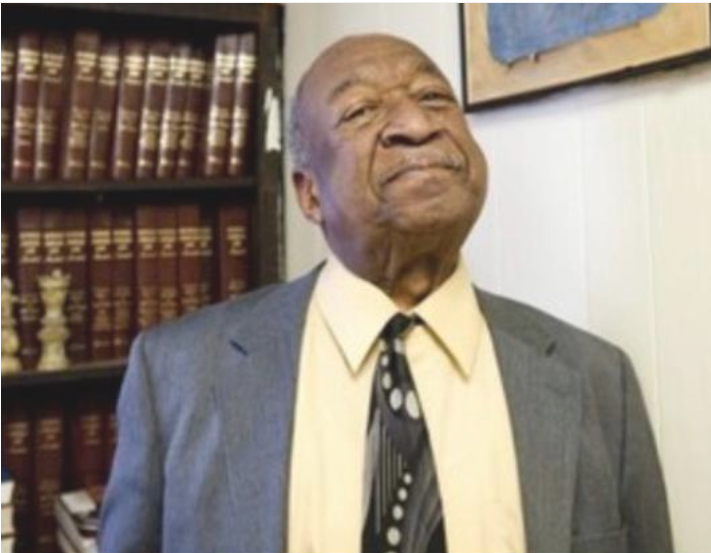
Written by Tanya Terry, with featured photo of C. Frederick Robison courtesy of Attorney Trachelle Young
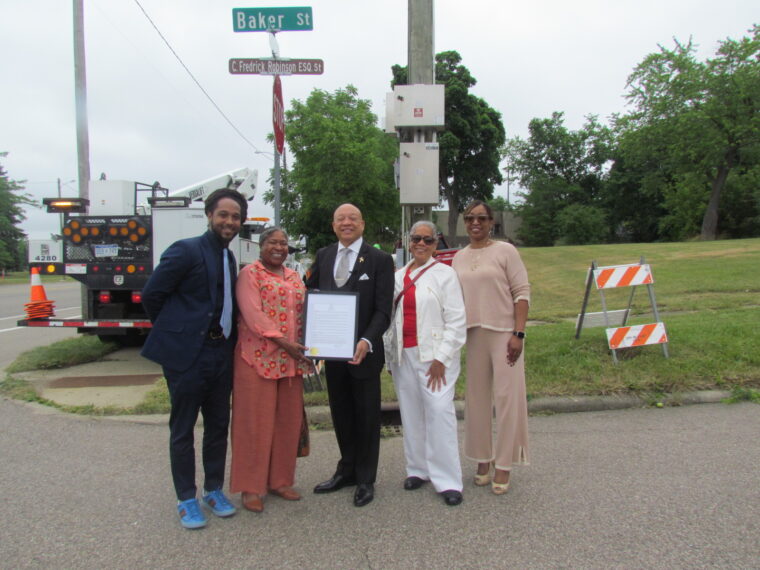
On Friday, July 10th at 10:30 a.m., Baker Street, at 2501 North Saginaw Street, in Flin,t was renamed C. .Frederick Robinson, Esq. Street, in honor of the pioneering attorney and civil rights advocate.
Robinson practiced law in Flint for over five decades after graduating from Howard University School of Law and opening his practice in 1956. He spent 55 years fighting for justice, equality and opportunity, helping establish organizations that empowered Black residents and challenged systemic inequality.
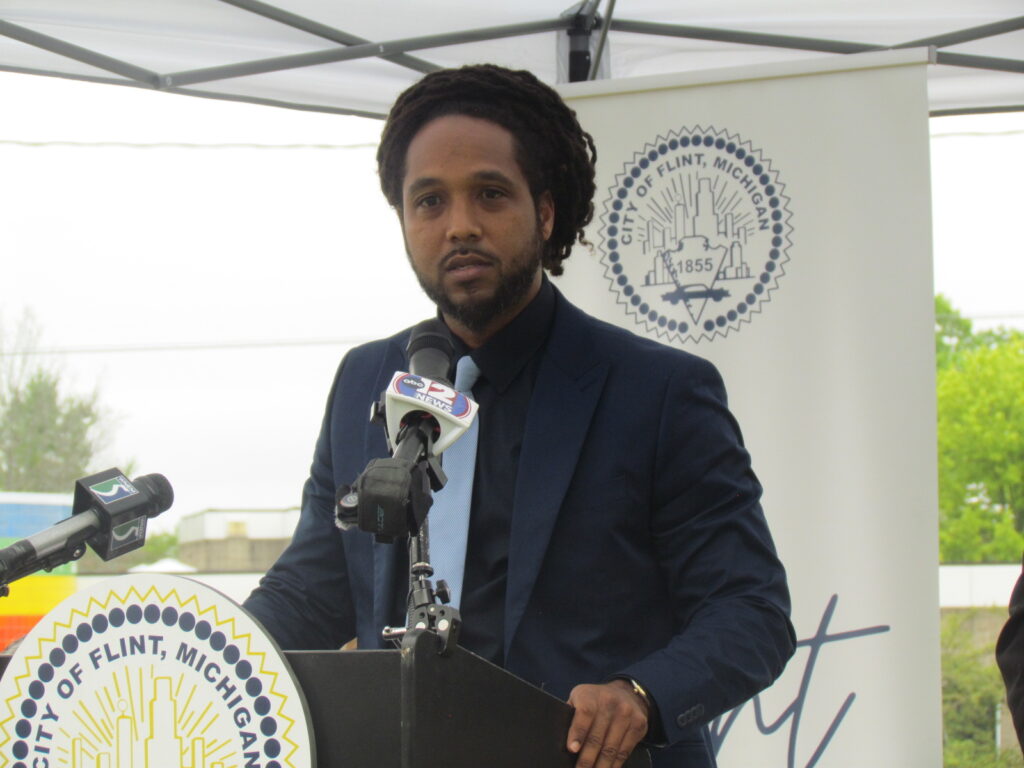
Mayor Sheldon Neeley opened the ceremony, welcoming the community to honor Robinson’s legacy of courage and service.
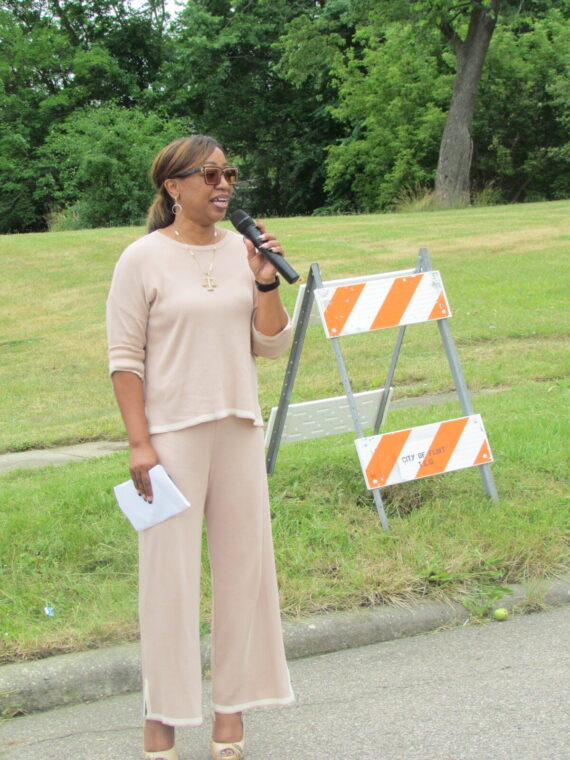
Attorney Tracelle C. Young spoke about Robinson as a mentor who invested in the next generation of legal professionals and challenged them to lead with integrity. Young highlighted Robinson’s accomplishments, including helping establish the first Black Secretary of State, the first Black judge, desegregating cemeteries and advancing open housing in Flint. She emphasized that Robinson’s practice of law was a calling to serve others and that his legacy continues to inspire.
“His guidance shaped my career, and his legacy continues to inspire all of us who had the privilege of learning from him,” said Young.
Rachel Robinson, C .Frederick Robinson’s daughter and an attorney, read the poem “If” by Rudyard Kipling, which her father had given her to memorize as a child and encapsulates her father’s approach to life.
Attorney Tayson Gaines, C. Frederick Robinson’s grandson, spoke about how his grandfather believed the Constitution and rights belonged to every person regardless of race, color or creed. He emphasized that Robinson practiced law not merely as a profession but as a means to engineer social change and challenge governing restrictions. He noted that Robinson’s work extended to fair housing advocacy, which continues to be recognized nationally.
“This city, this beautiful city writes a permanent sentence into its own history,” said Gaines. “Long after every one of us has gone and moved on – and God willing, we have our own children and grandchildren to carry on our legacy, those children will see a street named after my grandfather, C. Frederick Robinson. He was a father. He was a humanitarian. And then he was a lawyer, counselor and the king protector of his community and protector of the powerless. He was a man who believed that the Constitution belonged to each and every person. Rights inherent that God gave us belong to each and every person, regardless of race, color, creed, rights that are not limited to just the wealthy, politically connected, powerful, but to every human being that walks through his doors and his law office.”
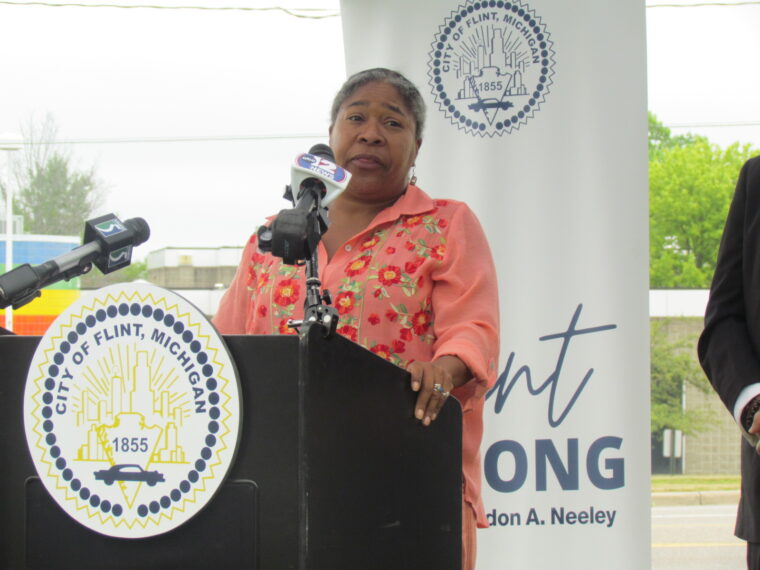
Dr. Debbie Robinson, C. Frederick Robinson’s daughter, shared personal stories about the sacrifices her father made for his advocacy work, including threats to his safety and his family’s security. She expressed concern about Flint’s current state and called for the community to come together to restore the city to its former greatness.
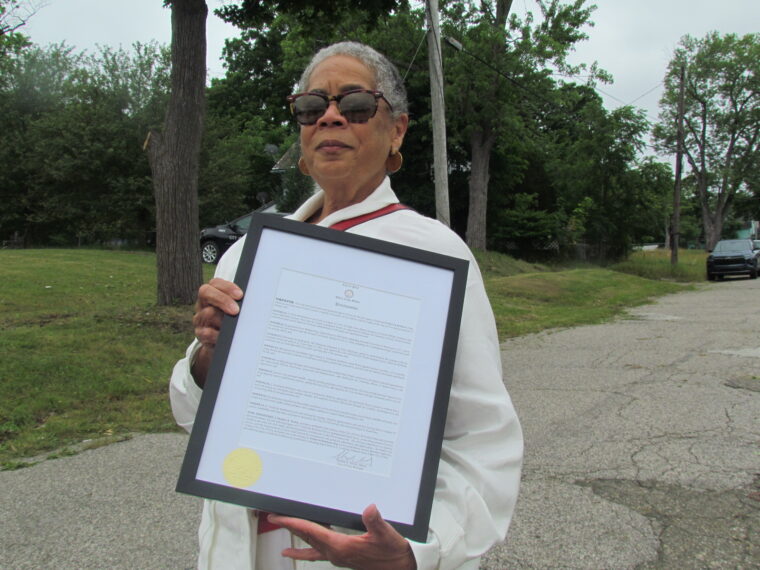
The ceremony concluded with the unveiling of the street sign honoring C. Frederick Robinson.
Community members, including Loretta Wright, spoke about Robinson’s positive impact on their lives and the importance of preserving his legacy for future generations.
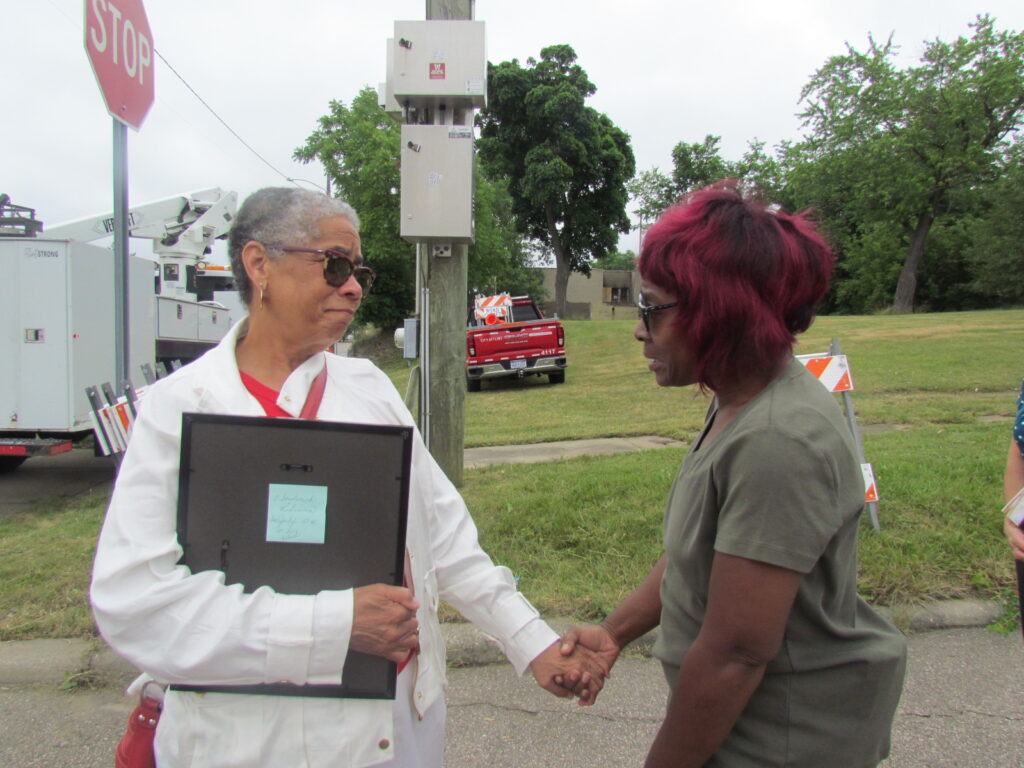
Another community member told the Courier that Robinson had helped him and nearly everyone else in the area. He stated that he was honored to be living on a street renamed in Robinson’s honor.
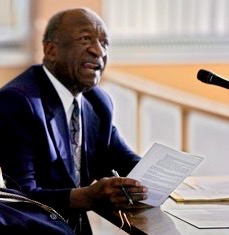
Photo provided by the City of Flint
