
Written by Tanya Terry, with photos by Tanya Terry
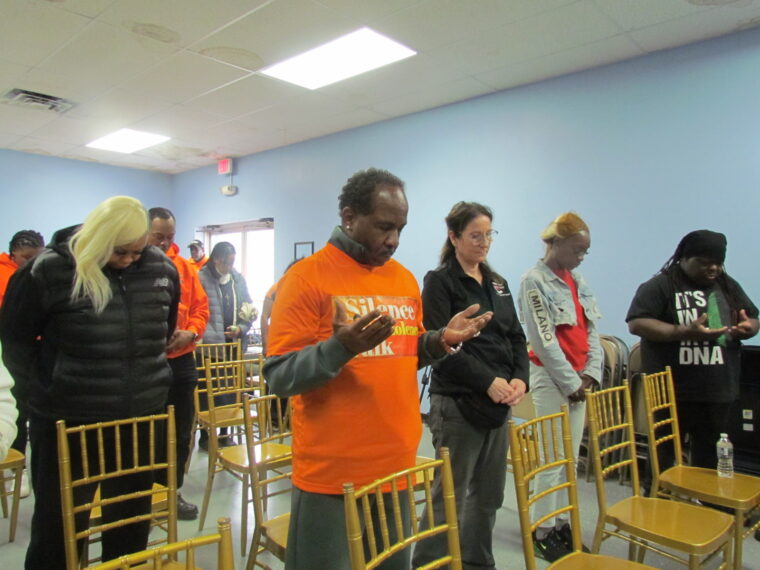
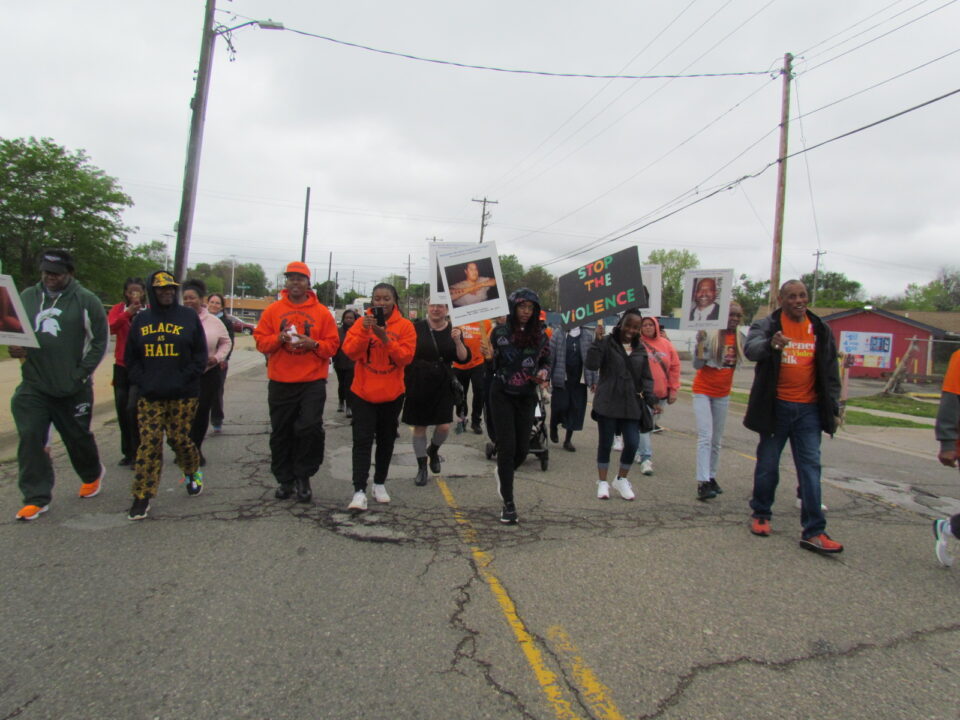
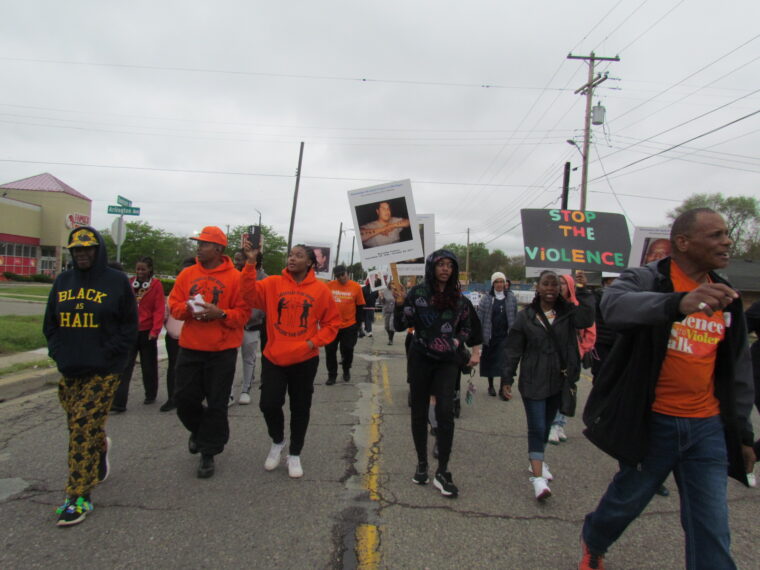
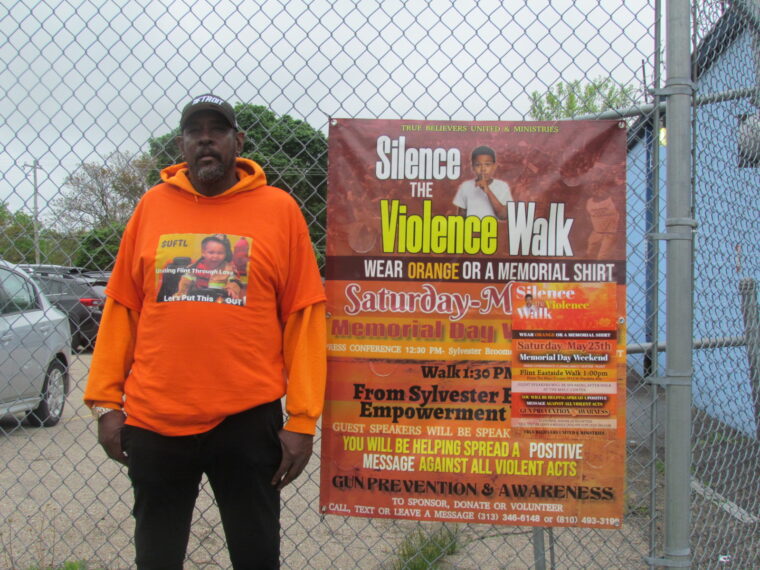
For the 3rd Annual Silence the Violence Walk that took place in Flint on Saturday, May 23, community members were encouraged to wear orange or memorial shirts for their loved ones.
It began with an 11:30 a.m. press conference at the MACC Center. There, Minister Cepeda Chapman of True Believers United explained that the Flint walk operates under the Detroit chapter of the Church of the Messiah, led by Pastor Barry Randolph.
The event has grown significantly, with 34 communities across Michigan and 54 communities nationwide now participating.
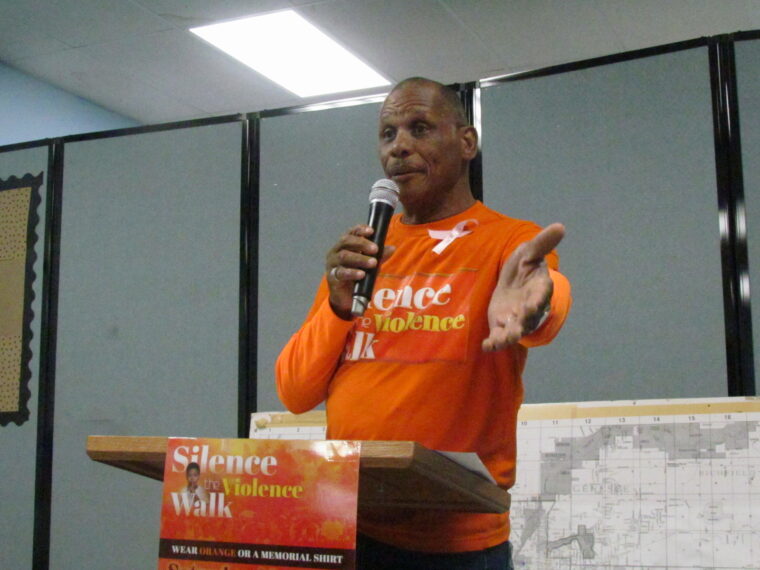
Claude High, national director for True Believers United, emphasized that while the walks may not end all violence, they demonstrate that violence will not be normalized and have inspired positive behavioral changes in participants.
“The one percent changes the world,” High said to walk attendees.
“We can be the one percent that changes anywhere we go,” High added.
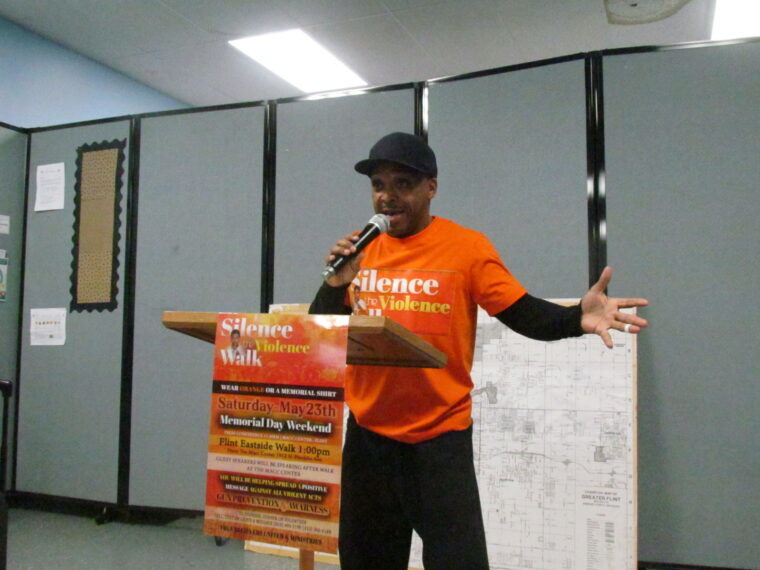
Pastor Barry Randolph shared details about Church of the Messiah’s comprehensive community development efforts on Detroit’s Lower East Side, including 213 housing units, job training programs, a business incubation center, employment services, charging stations, and a doctor’s office.
“We are not rich,” stated Randolph. “We’re not a mega church. We ain’t a whole lot of us. But we got the courage and the love of God to make a difference. Church of the Messiah is the largest developer in that neighborhood.”
He explained that the Silence the Violence movement began when three young people were murdered in the neighborhood, prompting 58 community members to gather and start the initiative. The movement grew from that neighborhood group to 3,500 people citywide by 2022.
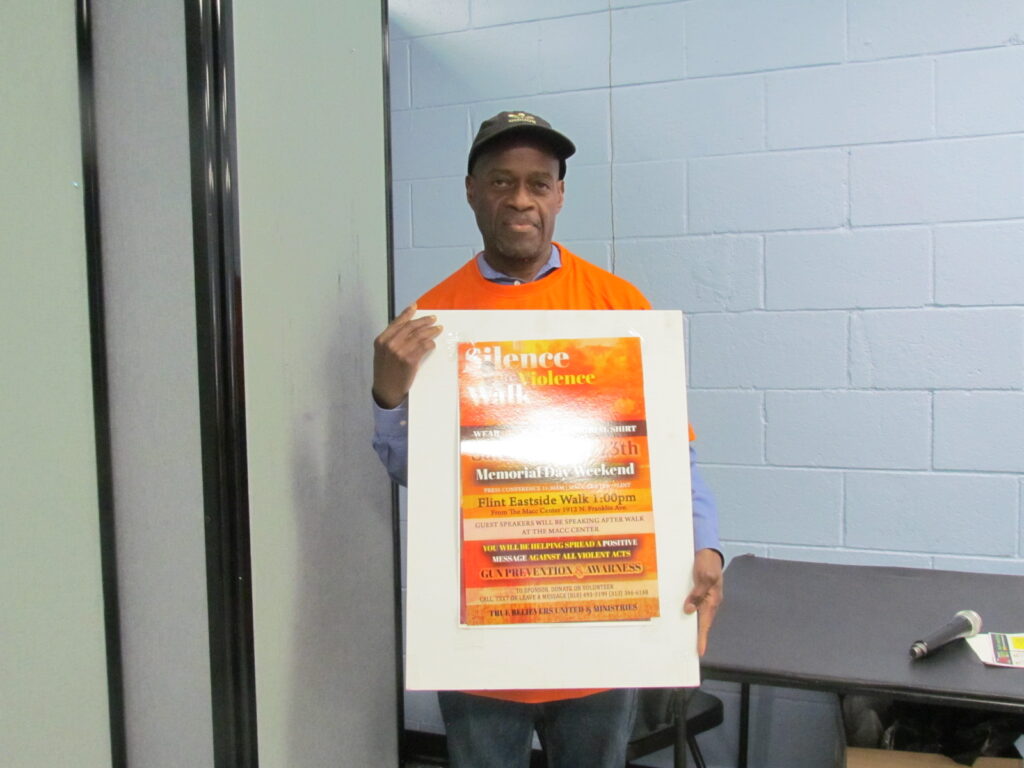
Kenyetta Dotson, founder of the nonprofit organization WOW Outreach emphasized the importance of collaboration and partnership in addressing gun violence, noting that working together across organizations and communities is essential.
“Doesn’t the Bible say, go,” Dotson asked. “Yes. So, from my perspective, the very first thing that we have to do is go. If I’m just staying inside my comfort zone of my church, or my home, or my business, and I never go as the Bible has instructed, then I’m missing a crucial piece.”
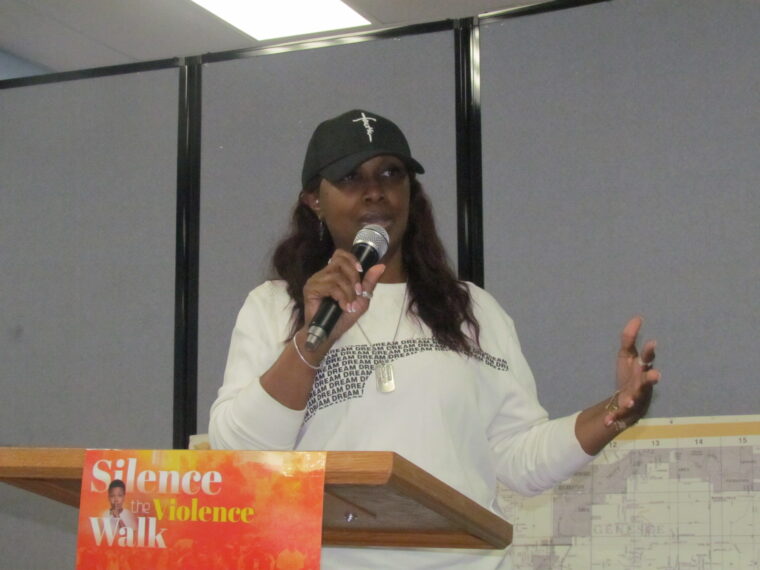
Dotson continued: “So, how do you tell me that a march is not beneficial when we’re going into areas that are where people have the smallest of hope?
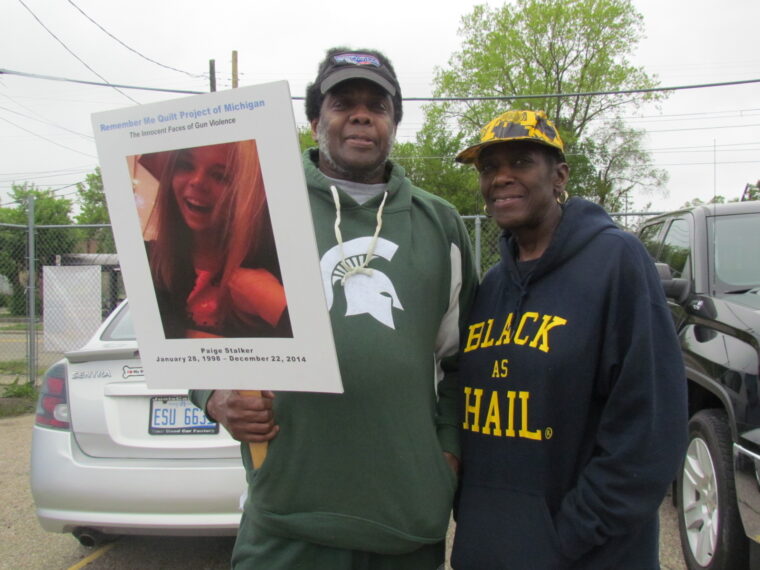
Multiple community members shared their reasons for attending, expressing concern about gun violence and hope for change.
Flint Resident Delilah Johnson shared with the Courier that she herself has been a victim of violence.
“Victims of violence and what they’ve gone through should not just be put in the file cabinet,” Johnson said.
The march featured chants including “silence the violence,” “stand up, speak up,” and “thou shall not kill,” with participants advocating for community action and peace.
After the walk, multiple speakers addressed the community about violence prevention and economic development in Flint.
Former Flint City Councilman Wantwaz Davis. Davis argued that poverty is the root cause of violence and crime in Flint. He stressed that addressing poverty requires bringing manufacturing jobs to the city, not just focusing on education and infrastructure projects.
He credited his efforts with helping bring the Lear manufacturing facility to Flint in 2018, which provided 800 to 1000 jobs. Davis emphasized that people do want to work and that the lack of employment opportunities drives youth to crime.
Councilwoman Ladel Lewis outlined her initiatives to combat gun violence, including creating a school violence ordinance, expanding youth summer job programs, enforcing youth curfews and establishing teen lounges for positive engagement.
Jalil X, who leads the Flint chapter of the Peacekeepers Global Initiative, highlighted the work of community violence interruption partners and announced a summer initiative with billboards promoting the message to make the community a decent and safe place to live.
Randolph offered his support to those working on community improvement in order to create real and lasting change.