

Written by Tanya Terry
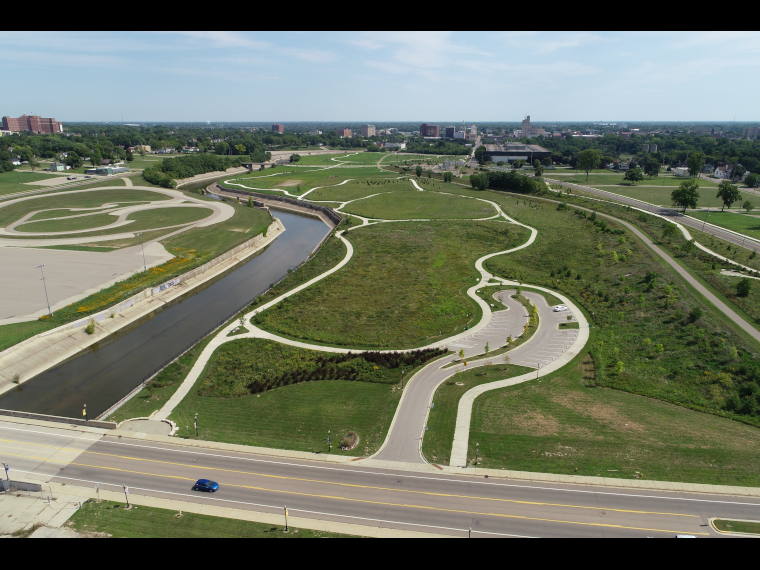
Featured photo: A drone captures Chevy Commons’ 69 acres of park space in Flint, which EGLE invested over $4 million into and a variety of other state and funding sources have gone into, totaling over $15 million. Two to three miles of trail have also been placed onto the former automobile factory. It is the first state park in Genesee County.
In 2025, the statewide Brownfield Redevelopment Program supported 76 projects, receiving $23 million in funding, helping to create 609 jobs and spurring $675.7 million in private investment.
A recent Michigan Department of Environment, Great Lakes and Energy”(EGLE) news release pointed out EGLE’s FY26 state budget includes $77.6 million for the Renew Michigan program, which supports brownfield redevelopment, contaminated site remediation and cleanup, solid waste management, recycling and sustainability projects. Additionally, House Bills 5286 and 5287, sponsored by state Rep. Alabas Farhat (D-Dearborn), will make it easier for the state to allocate more brownfield redevelopment funding to communities that need it. This legislation would increase the cap on brownfield grant and loan awards from $1 million to $2 million per project.
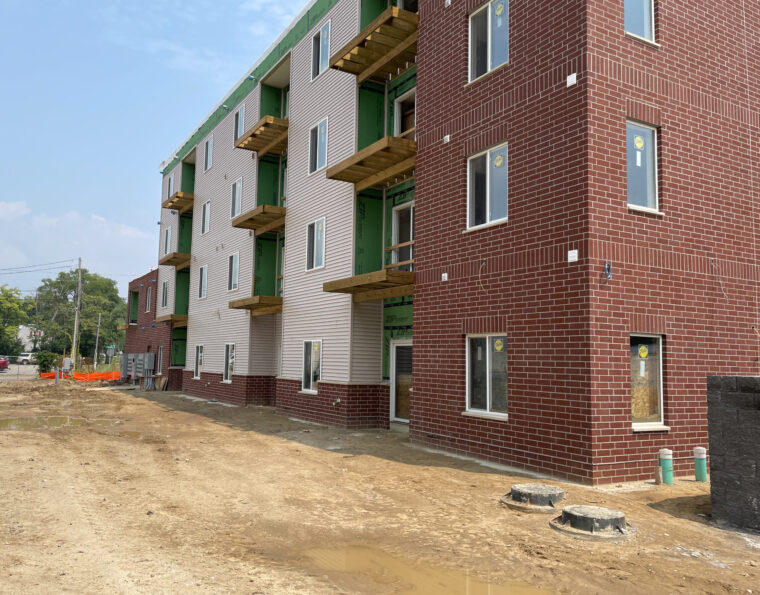
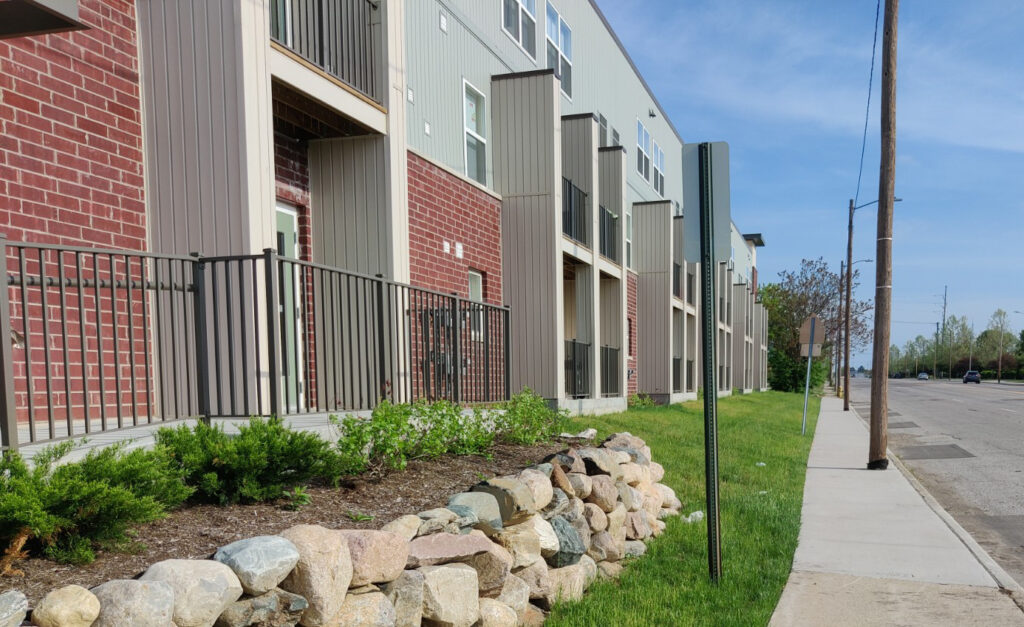
There are already several completed brownfeld projects in the Flint area, and Clark Commons, a $40 million housing project, is currently underway. That project is expected to create 62 new units for Flint residents and those who wish to live in Flint.
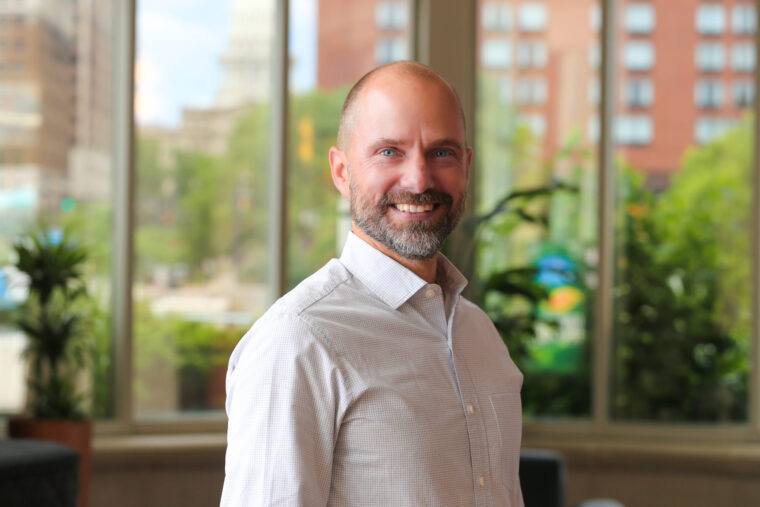
Ryan Londrigan, brownfield redevelopment unit supervisor, recently talked to the Courier about how brownfield sites being redeveloped in the city can continue to help put the properties back into use as homes, businesses or community centers in 2026.
“Protecting human health and the environment is our mission and priority,” Londrigan said. “Brownfield redevelopment is a huge priority for EGLE, in general. But, through our Brownfield Program, we collaborate with communities, and we put these contaminated properties back into productive use. That creates economic opportunities for the community, but at the same time it’s protecting human health and the environment. So, it’s a win-win situation. So, our program is there to deal with any of those added costs that come along when you want to redevelop a contaminated property.”
Londrigan added these sites are usually in “prime redevelopment areas.”
“Obviously, they’ve been redeveloped in the past,” he said. “That’s what makes them a brownfield is somebody has been there before and left behind contamination or conditions that future owners now have to deal with. We don’t want developers in the local community to be penalized because somebody left it in bad shape. That’s part of our mission to address those concerns and make them safe. We try to remove those added costs so that developers are attracted to these sites. It makes it just as easy to develop these properties as to go outside of the urban areas and develop what we call greenfields. We’d rather attract them to revitalize these neighborhoods -make investment in communities where there is already infrastructure, bring jobs and bring private investment to these communities.”
One example of a brownfield redevelopment Londrigan believes people are not as aware of, for example, is Sacred Heart Village on the corner of Saginaw and Moore in north Flint, through which Catholic Charities invested $5.5 million to help provide about 26 bungalows for unhoused area veterans, with many units expected to open in the fall. It is the first complex of its kind in Michigan.
The brownfield role, we don’t make the development happen, we just deal with the contamination. But, that property there had a gas tank and had some petroleum in the ground. EGLE spent $140,000 removing contaminated soil from the property, backfilling it, compacting it, taking samples, making sure everything was good. That was some of our cleanup fund, like that $77.6 million. Whenever we get access to funds through the Genesee County Landbank, or someone invites us to a contaminated site like that, that’s something that I’m super proud of…At Sacred Heart Village, we removed 2,900 tons of contaminated soil at that site. So, we were able to make it safe for reuse.”
Londrigan said EGLE is always working with local units of government, and developers find the sites for the local community. So, he encourages people interested in redevelopment to reach out to EGLE. He also said there are brownfield coordinators who can talk to potential developers through the redevelopment process. It is suggested this be done as early in the planning process as possible.
“For a lot of these sites, like the ones from the Land Bank that have gas tanks in the ground, those things are continuing to leak. So, our ability to get access them, and remove them and address the contamination now, it’s protecting even the contamination out of our water waste. We’re cleaning up the surface of these sites so that people don’t come into contact with contamination and preventing that from running into the storm sewers and polluting the environment.”
Londrigan noted that EGLE recently provided $2000,000 to help with the redevelopment of Buick City to help with further assessment and investigation of the site.
“That’s probably one of the bigger job creating brownfield redevelopment projects going on in the Flint area,” he said. “Ashley Capital is leading that. That’s probably coming soon to the Flint area.”
Londrigan said as an automotive town and industrialized city, there is widespread contamination in Flint.
Still, as a Flint native, Londrigan said he is ecstatic about the potential for more redevelopment in the Flint area.
“I’m very excited having worked in the Flint area for over 25 years in brownfield redevelopment. I’ve seen a lot of transformation, and there’s only more to come.”
Annual report:
